Oleh:
NUR NADHIRAH BINTI MOHD RASLAM
Pensyarah Diploma Pengurusan Industri Halal
Kolej UNITI Kota Bharu
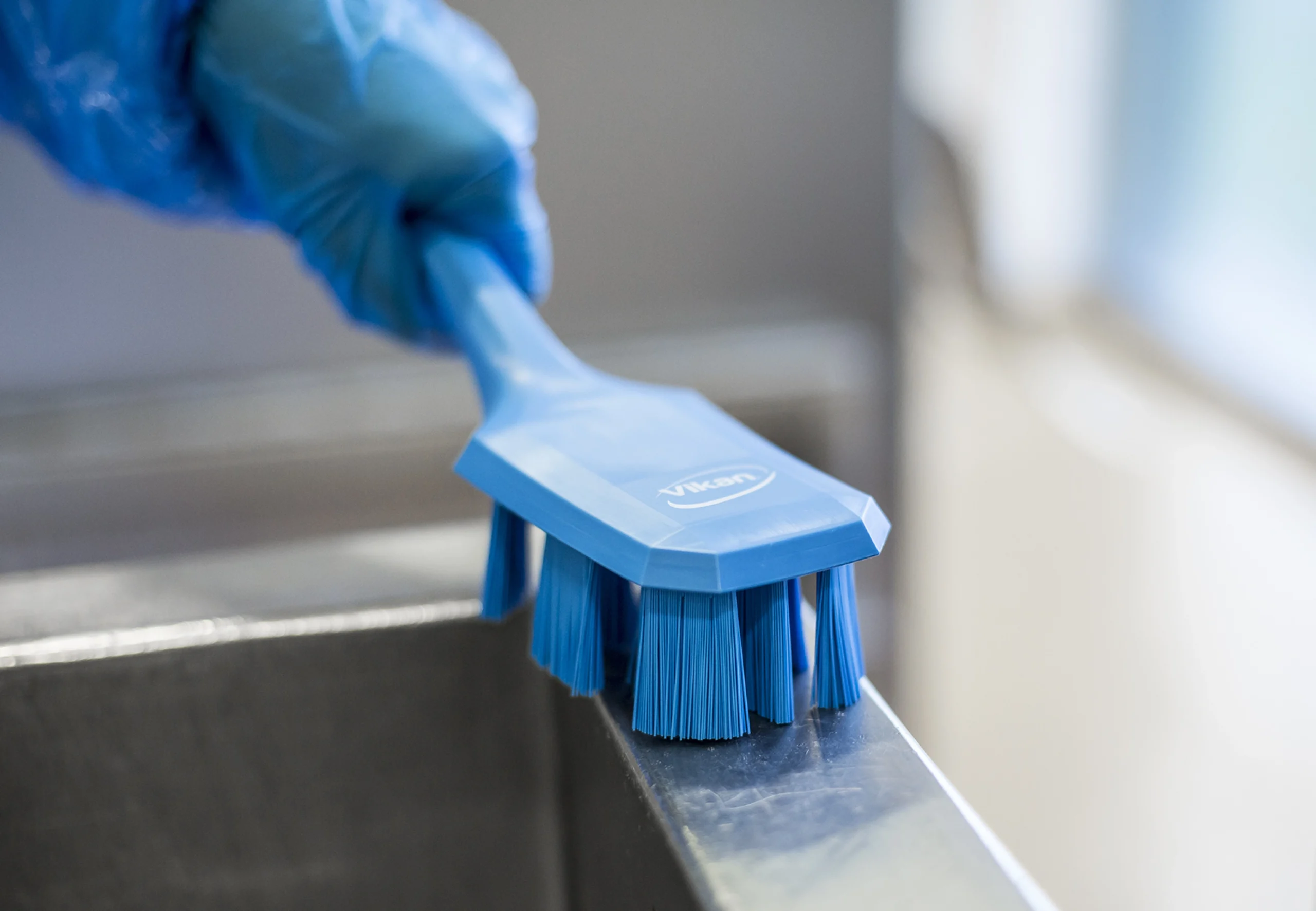
One day, a procurement staff member buys a brush from whichever supplier offers the most affordable price and the fastest delivery. An ordinary brush. For cleaning the processing area. You, the Halal Executive, were accidentally left out of the email regarding the change of supplier. It is a mere brush. What could possibly go wrong?
When the brush arrives, QC inspects it and passes it to the production leader to be used in the processing area. Someone may notice that it feels somewhat different from the usual one, the handle, the texture of the bristles, but he cannot be bothered. It is only a brush.
Meanwhile, you are focused on raw materials, the processing area, and the piles of documentation needed for verification. You continue your day thinking everything is under control.
Then an auditor from the certification body arrives. He conducts a thorough inspection of the premises and he stops at the brush. The experienced auditor senses something is not right, takes it, and sends a sample for laboratory analysis. It turns out the brush contains pig bristles. Your company loses its halal certification. All products have to be withdrawn from the market.
Now all heads turn to you.
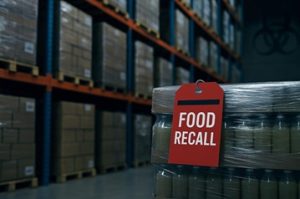
This is where your Product Recall and Traceability SOP comes into play. Activate the mock recall procedure that has been practised for years, but this time, for real. Call an emergency meeting. All responsible personnel must attend and brainstorm the root cause. Disseminate the recall notice as stated in your SOP and notify the certification body immediately. Never attempt to hide the incident as transparency is essential for reinstatement later.
All production currently running in the processing area must be halted. Any product that has touched the affected processing line must be quarantined and segregated. Stop all ongoing shipments. This must be done immediately so that no further damage occurs.
Since this is a new brush, investigate when it first entered the factory and how long it has been in use. Check the old brush as well. Is there a Certificate of Analysis or any documentation about it? If the old brush was nylon and there is documentation declaring the bristle type, this narrows the scale of the recall considerably as only products manufactured after the bad brush arrived need to be withdrawn.
Trace the arrival record of the contaminated brush through the purchase order, delivery order, and invoice. From there, determine which batches of product must be withdrawn. Preserve the brush and all related documents as evidence. Do not throw them away as you will need them for the root cause analysis and the corrective action report.
Staff tend to overlook the full extent of contamination. They may assume the brush was only used in Plant A, so only Plant A needs to be quarantined and cleansed. But anything that came into contact with Plant A is also considered contaminated. Think about shared utensils, washing sinks, trolleys, and personnel movement between plants. Contamination can spread further than you expect.
Next is sertu, the ritual cleansing. In most certification standards, pig is categorised as najs mughallazah, a severe impurity, and the affected surfaces must be washed seven times, one of which must be with water mixed with earth or an approved clay-based cleansing agent. This must be performed on all affected areas and equipment.
Engage a company that offers professional sertu services and ensure the cleansing is carried out by a competent, trained person, ideally under the supervision of the certification body or an appointed Islamic authority. Document the entire process with photos and records because improperly performed or undocumented sertu will not be accepted and you will have to repeat everything from the start. Items that cannot be effectively cleansed, such as porous materials and the brush itself, must be disposed of.
A mere brush brought down an entire halal certification. The root cause was not the brush itself, but a procurement process that allowed an unverified item into the processing area and a communication breakdown that left the Halal Executive out of the loop. Fix the system, not just the brush. Every item entering the production area, no matter how trivial it seems, must go through halal verification.